Running watches have come a long way. They’re proper training tools that track pace, recovery, fatigue, and even race readiness.
Better GPS and heart rate accuracy mean more reliable workouts, while recovery insights help you avoid overtraining. Multi-band GPS also keeps pace steady in cities, forests, and trails.
These watches aren’t just for tracking runs anymore. They actively help you improve.
Contents
Best Wrist Watches for Running in 2026
After testing modern GPS watches on roads, tracks, and trails, the clear winners come down to a few things: accurate GPS, steady pace tracking, solid battery life, reliable recovery data, and overall comfort on long runs.
The app experience also matters just as much as the hardware, with platforms like Garmin Connect, COROS Training Hub, Polar Flow, and Suunto offering useful training insights instead of just raw data.
Real-world usability makes the difference, too. Things like screen visibility in sunlight, button control when sweaty, battery drain on multi-band GPS, and fast syncing to apps like Strava or TrainingPeaks.
For most runners, the best choice is a lightweight watch with strong battery life and a clean, reliable training system.
1. Garmin Forerunner 965
Best Overall Running Watch

The Garmin Forerunner 965 still feels like the benchmark for serious runners. What really makes this stand out is how balanced it is. You get premium multi-band GPS accuracy, elite training metrics, excellent mapping, and surprisingly good battery life without the bulk of a full adventure watch.
During marathon-paced runs, the pace stability is excellent. Even in dense urban areas where older Garmin watches sometimes bounced around, the 965 stays impressively locked in thanks to dual-frequency GPS. On trails, it handles tree cover far better than most mid-range watches.
The AMOLED display is bright enough to read in harsh sunlight, though it does consume more battery than Garmin’s older transflective displays. Even so, battery life remains excellent for a GPS running watch.
Garmin’s ecosystem is still the biggest advantage here. Training readiness, HRV status, recovery time, race widgets, suggested workouts, and VO2 max tracking all work together in a way that feels cohesive instead of overwhelming.
Where this watch shines is marathon training. Long-run pacing, recovery guidance, and interval customization are outstanding.
Key Specs
- Type: Performance running watch
- GPS: Multi-band dual-frequency GNSS
- Battery: Up to 23 days smartwatch / 31 hours GPS
- Display: AMOLED
- Water resistance: 5 ATM
- Weight: ~53g
Pros
- Elite GPS accuracy
- Outstanding training ecosystem
- Excellent battery life
- Superb AMOLED display
- Reliable pace tracking during intervals
Cons
- Expensive
- Garmin’s menus still feel dense for beginners
- Wrist HR can struggle slightly during sharp sprint spikes
Best For
- Marathon runners
- Advanced training plans
- Long-distance road running
- Data-driven athletes
Verdict
For most serious runners, this is the best wrist watch for running. It’s expensive, but few watches combine accuracy, analytics, and reliability this well.
2. COROS Pace 3
Best Budget GPS Running Watch

The COROS Pace 3 continues to dominate the value category. For runners who care more about performance metrics than smartwatch fluff, this watch is ridiculously good.
At around 30 grams, it almost disappears on your wrist during long runs. That comfort matters more than many runners realize. Heavy watches become annoying during two-hour sessions, especially in humid weather.
GPS accuracy is surprisingly strong for the price. In open roads and suburban routes, it’s excellent. Dense downtown environments still create occasional drift, but far less than older budget watches.
Battery life is where COROS embarrasses competitors. Multi-hour GPS sessions barely dent the battery. For ultrarunners or marathon trainees, that reliability is huge.
The COROS app is cleaner and simpler than Garmin Connect. Some runners prefer Garmin’s depth, but beginners often find COROS easier to understand.
The biggest tradeoff here is ecosystem maturity. Smartwatch features are limited, mapping isn’t as advanced, and recovery insights aren’t quite as sophisticated as Garmin’s.
Key Specs
- Type: Budget GPS running watch
- GPS: Dual-frequency GNSS
- Battery: Up to 24 days smartwatch / 38 hours GPS
- Display: Memory LCD
- Water resistance: 5 ATM
- Weight: ~30g
Pros
- Incredible value
- Excellent battery life
- Extremely lightweight
- Strong GPS accuracy
- Clean app experience
Cons
- Limited smartwatch features
- Simpler ecosystem
- Display less flashy than AMOLED rivals
Best For
- Beginner runners
- Marathon training on a budget
- Lightweight performance
- Daily training consistency
Verdict
For most runners under a budget, this is still one of the smartest buys in the entire GPS running watch market.
3. Polar Pacer Pro
Best for Marathon Training
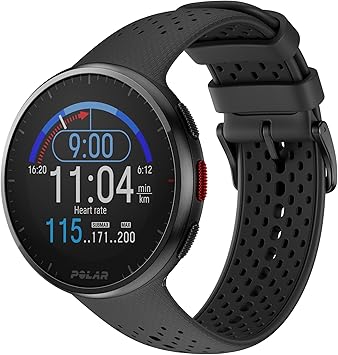
Polar has always leaned heavily into sports science, and the Polar Pacer Pro still feels built specifically for runners chasing race goals.
What really makes this stand out is recovery and structured training guidance. Polar Flow remains one of the most underrated platforms for marathon runners because it explains fatigue and training load clearly without drowning you in charts.
The watch itself is lightweight and comfortable during long runs. Button controls work well during sweaty sessions, and the pacing alerts are reliable during tempo intervals.
GPS accuracy is good overall, though not quite at Garmin’s level in dense city conditions. Under heavy tree cover, you’ll occasionally see slight route wobble. Open-road performance is much stronger.
The display is readable outdoors, but it’s dimmer than newer AMOLED competitors. That’s the biggest compromise here.
Key Specs
- Type: Performance running watch
- GPS: Multi-GNSS
- Battery: Up to 7 days smartwatch / 35 hours GPS
- Display: MIP display
- Water resistance: 5 ATM
- Weight: ~41g
Pros
- Excellent training load analysis
- Great interval tools
- Lightweight and comfortable
- Strong recovery insights
- Reliable button controls
Cons
- Display feels dated
- GPS slightly weaker in dense cities
- Smaller app ecosystem
Best For
- Marathon training
- Structured endurance plans
- Recovery-focused runners
- Tempo and interval sessions
Verdict
If you care more about becoming a better runner than owning a flashy smartwatch, the Polar Pacer Pro remains one of the best fitness watches for running.
4. Suunto Race
Best Trail Running Watch

Trail runners need something different from road runners. GPS consistency under tree cover, navigation reliability, durable construction, and battery endurance matter far more once you leave pavement.
That’s where the Suunto Race excels.
The offline maps are excellent, especially during technical trail runs. Navigation feels cleaner and easier than older Suunto generations, and the AMOLED display looks fantastic outdoors.
Battery performance is outstanding in endurance modes. During long trail efforts, the watch manages power intelligently without destroying GPS accuracy.
Where this watch shines is mountainous terrain. It locks satellites quickly and handles elevation-heavy routes well.
The biggest tradeoff is heart rate reliability during intense intervals. Like many wrist-based sensors, it can lag slightly during rapid effort changes. Serious trail racers may still prefer pairing a chest strap.
Key Specs
- Type: Multisport GPS watch
- GPS: Dual-frequency GNSS
- Battery: Up to 26 days smartwatch / 40+ hours GPS
- Display: AMOLED
- Water resistance: 10 ATM
- Weight: ~83g
Pros
- Excellent mapping
- Great battery endurance
- Strong trail navigation
- Rugged build quality
- Fast satellite lock
Cons
- Bulkier than road-focused watches
- Wrist HR not perfect during sprints
- App still trails Garmin in depth
Best For
- Trail running
- Ultras
- Adventure athletes
- Mountain training
Verdict
For trail runners and ultramarathon athletes, this is one of the most capable trail running watches available today.
5. Apple Watch Series 11
Best Smartwatch for Running

A few years ago, serious runners often dismissed Apple Watches. That gap has narrowed dramatically.
The Apple Watch Series 11 is now a legitimately strong running watch, especially for runners already deep inside Apple’s ecosystem. Structured workouts, pace alerts, training load metrics, and third-party integrations have improved substantially.
Where this watch shines is in overall daily usability. Notifications, music, calls, recovery apps, LTE support, and health tracking are unmatched.
GPS accuracy is solid, especially on roads and city runs. However, battery life remains the biggest limitation. If you’re training for ultras or multi-day adventures, Garmin and COROS still dominate.
The touchscreen works well overall, but sweaty fingers during intervals can occasionally become annoying. Physical-button-focused watches still feel easier during hard efforts.
Key Specs
- Type: Smart running watch
- GPS: Dual-frequency GPS
- Battery: ~24 hours smartwatch / ~7–12 hours heavy GPS
- Display: OLED Retina
- Water resistance: 5 ATM
- Weight: ~35–45g depending on model
Pros
- Excellent smartwatch experience
- Great app ecosystem
- Strong health tracking
- Improved training features
- Seamless iPhone integration
Cons
- Battery life still limited
- Less advanced recovery metrics
- Touchscreen can frustrate during workouts
Best For
- iPhone users
- Casual-to-intermediate runners
- Hybrid fitness lifestyles
- Everyday wear
Verdict
For runners who want one watch that handles both life and training, the Apple Watch Series 11 is easily the best smartwatch for running right now.
6. Fitbit Air
Best Beginner Fitness Watch for Running

Not everyone needs advanced race analytics or ultra-detailed training load graphs. For many runners, consistency matters more than complexity.
The Fitbit Air focuses on exactly that.
It’s lightweight, simple, easy to wear all day, and less intimidating than performance-heavy watches. Sleep tracking and daily activity reminders remain Fitbit’s strongest features.
The tradeoff is obvious: this is not a serious multi-band GPS running watch. Advanced runners will quickly outgrow it.
Still, for beginners transitioning away from phone-based tracking, it’s approachable and motivating.
Key Specs
- Type: Fitness tracker
- GPS: Connected GPS
- Battery: Up to 7 days
- Display: Minimal/screenless
- Water resistance: Swim resistant
- Weight: Extremely lightweight
Pros
- Easy for beginners
- Comfortable all-day wear
- Simple app experience
- Strong wellness tracking
Cons
- Limited advanced metrics
- No serious performance analytics
- Not ideal for marathon training
Best For
- Beginner runners
- Casual fitness tracking
- Daily activity monitoring
- Wellness-focused users
Verdict
This isn’t the best running watch overall, but it’s one of the easiest entry points for new runners building consistency.
Product Comparison Table: Best Running Watches
| Attribute | GARMIN Forerunner 965 | Coros Pace 3 Watch | Polar Unisex Pacer Pro Advanced GPS Running Watch | Suunto Race Digital Smart Watch | Apple Watch Series 11 GPS Aluminium Case with Sport Band | Google Fitbit Air Screenless Activity Tracker |
| GPS Accuracy | Elite multi-band | Excellent for price | Very good | Excellent trails | Very good | Basic |
| Battery Life | Excellent | Outstanding | Very good | Outstanding | Weakest here | Good |
| Best Use | Serious training | Budget performance | Marathon prep | Trail running | Smartwatch lifestyle | Beginners |
| Display | AMOLED | LCD | MIP | AMOLED | OLED | Minimal |
| Weight Comfort | Very good | Excellent | Excellent | Moderate | Good | Excellent |
| Smart Features | Strong | Limited | Moderate | Moderate | Best overall | Basic |
| Training Metrics | Industry-leading | Strong | Excellent recovery | Strong endurance | Improving rapidly | Basic wellness |
| Trail Performance | Excellent | Good | Moderate | Excellent | Moderate | Weak |
How to Choose the Best Wrist Watch for Running
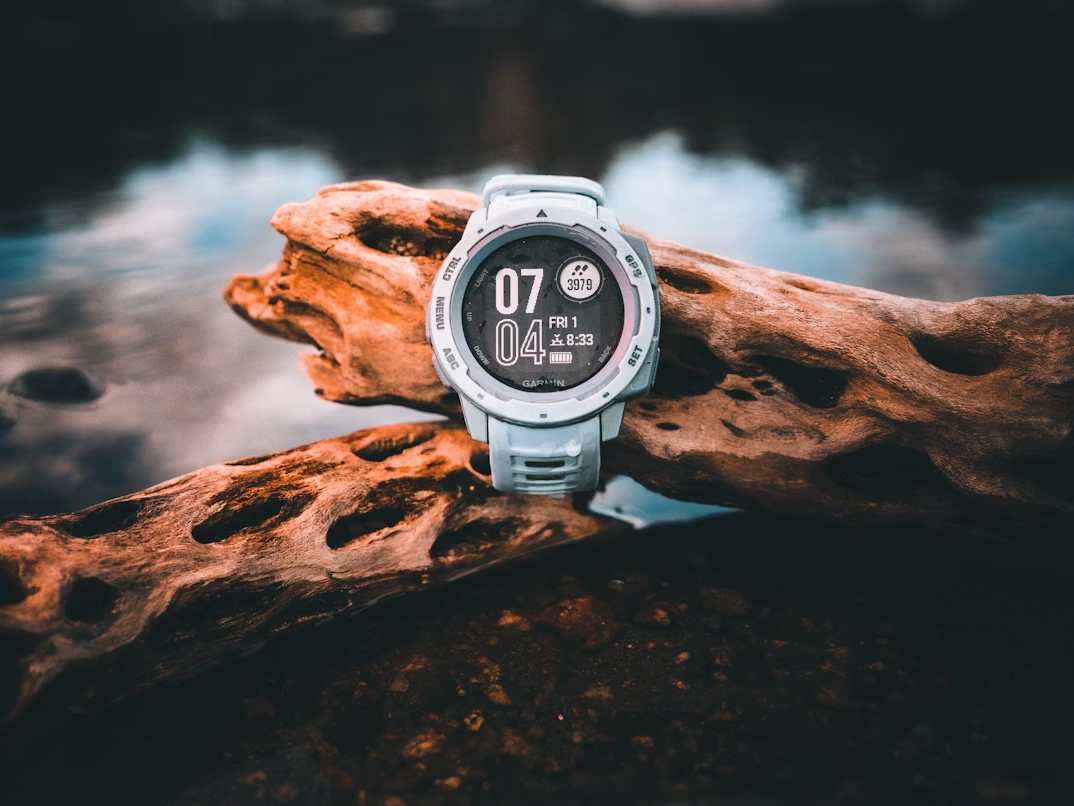
GPS Accuracy Matters More Than Most Runners Think
Single-band GPS watches can still work well for casual runners, but multi-band GPS running watches are noticeably better in cities, forests, and mountainous terrain.
Dual-frequency systems use both L1 and L5 satellite signals, dramatically reducing drift around tall buildings and tree cover.
If you mostly run open suburban roads, standard GPS is often fine. If you train in cities or trails, multi-band GPS becomes worth paying for.
Battery Life Is Critical for Marathon and Ultra Training
Battery claims can be misleading.
AMOLED displays, music streaming, navigation, and dual-frequency GPS all drain power faster than manufacturers advertise.
For marathon training, aim for at least:
- 20+ hours GPS battery minimum
- 30+ hours if you run ultras or trails
COROS remains the battery king overall, while Apple Watches still lag behind endurance-focused brands.
Wrist Heart Rate Accuracy Has Improved, But It’s Not Perfect
Modern sensors are dramatically better than older generations, but wrist-based heart rate still struggles during:
- Sprint intervals
- Hill repeats
- Sudden pace changes
- Cold-weather runs
For serious interval accuracy, chest straps still win.
That said, Garmin, Apple, and newer COROS watches are much more reliable than older models during steady-state efforts.
AMOLED vs Transflective Displays
AMOLED screens look stunning indoors and outdoors. They’re brighter, sharper, and easier to read.
The downside:
- Worse battery life
- More charging
- Potential long-term battery degradation
Transflective displays look less flashy but remain incredibly efficient for endurance athletes.
Buttons Still Beat Touchscreens During Hard Runs
Touchscreens are great for daily smartwatch use.
During sweaty interval sessions or rainy trail runs? Physical buttons remain far more reliable.
Garmin, COROS, and Polar still handle this better than most smartwatch-first devices.
Ecosystem Quality Matters Long-Term
The watch itself is only half the experience.
Garmin Connect remains the deepest ecosystem overall. COROS is cleaner and simpler. Polar excels at recovery insights. Apple dominates smartwatch integration.
Also consider:
- Strava syncing speed
- TrainingPeaks compatibility
- Route importing
- Workout builders
- Software update longevity
Trail Running vs Road Running Needs
Road runners should prioritize:
- Pace stability
- Lightweight comfort
- Recovery analytics
Trail runners should prioritize:
- Mapping
- Navigation
- Rugged durability
- Battery endurance
A bulky trail watch may feel excessive for everyday road running.
Which Running Watch Should You Buy?
If you want the best overall running watch, the Garmin Forerunner 965 is still the safest recommendation for serious runners. It simply does everything well.
If budget matters most, the COROS Pace 3 delivers absurd value and battery life.
If you’re focused heavily on marathon progression and structured training, the Polar Pacer Pro remains excellent.
Trail runners should lean toward the Suunto Race for navigation and endurance.
And if you want one device that blends smartwatch convenience with strong fitness tracking, the Apple Watch Series 11 is the best smartwatch for running today.
For most runners, the biggest upgrade isn’t just better GPS. It’s better feedback. Modern watches now help runners train smarter, recover better, and stay more consistent, which matters far more than simply tracking miles.
FAQs
Are running watches worth it?
Yes, especially if you train consistently. A good GPS running watch improves pacing, tracks recovery, monitors training load, and helps runners avoid overtraining.
What is the best running watch overall?
Right now, the Garmin Forerunner 965 is widely considered the best overall running watch thanks to its GPS accuracy, analytics, battery life, and ecosystem depth.
Is GPS accurate on running watches?
Modern multi-band GPS running watches are extremely accurate, though dense cities and heavy tree cover can still create occasional drift.
Do I need multi-band GPS?
Not always. Casual runners on open roads may not notice huge differences. But city runners and trail runners benefit significantly from dual-frequency GPS.
Which watch is best for marathon training?
The Garmin Forerunner 965 and Polar Pacer Pro are among the best choices for marathon training due to their pacing tools, recovery insights, and interval customization.
Are Apple Watches good for running?
Much better than they used to be. The Apple Watch Series 11 now offers structured workouts, pace alerts, and training load metrics, though battery life still trails Garmin and COROS.
Which running watch has the best battery life?
COROS watches consistently rank among the best for endurance battery performance.
Do wrist heart rate monitors work well for running?
For steady runs, yes. During sprints or intervals, they can still lag slightly compared to chest straps.
What’s better: Garmin or COROS for runners?
Garmin offers deeper analytics and better ecosystem features. COROS offers better value, simpler software, and exceptional battery life.
Can running watches replace personal coaching?
Not completely. But AI coaching systems, adaptive recovery scores, and race prediction tools are becoming surprisingly useful for self-guided runners.
Are running watches good for beginners?
Absolutely. Beginner-friendly watches help runners build consistency, manage pacing, and track progress more effectively than phone apps alone.
How long do running watches last?
Most quality GPS running watches last 4-6 years with proper care. Battery degradation is the biggest long-term issue, especially on AMOLED-heavy models.